In fabrication, construction, and engineering, material choice often determines the durability, safety, and efficiency of a project. Among all available options, mild steel tube has been a trusted solution for decades. It combines affordability, toughness, and excellent weldability, making it indispensable across industries ranging from construction and automotive to furniture and industrial equipment.
This article explores the characteristics, benefits, applications, and practical considerations of mild steel tube, showing why it continues to be one of the most widely used materials in fabrication.
What Is Mild Steel Tube?
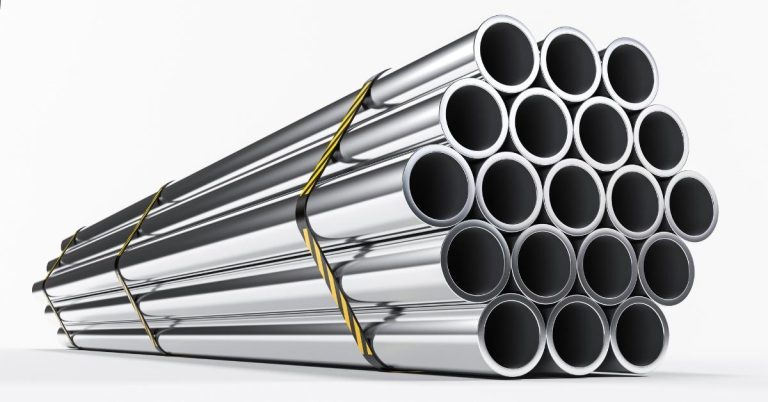
Mild steel tube is a hollow cylindrical or rectangular section made from mild steel, which is a low-carbon steel with a carbon content typically between 0.05% and 0.25%. This composition makes it:
- Softer and more ductile compared to high-carbon steels.
- Easier to bend, cut, and weld without cracking.
- Cost-effective while offering sufficient strength for most structural purposes.
Mild steel tube is produced in different forms, such as round, square, and rectangular tubes, each suited for specific tasks.
Key Benefits of Mild Steel Tube
Mild steel tube offers several unique advantages that make it the first choice for builders and fabricators:
- Strength and Durability: Strong enough for load-bearing applications.
- Cost-Effective: Much cheaper than stainless steel or aluminum for structural use.
- Easy to Work With: Welds and machines easily, reducing fabrication time.
- Versatile Applications: Can be used in construction, automotive, industrial, and decorative projects.
- Recyclable: Environmentally sustainable as it can be melted and reused.
- Customizable: Available in various shapes, thicknesses, and finishes.
Types of Mild Steel Tube
1. Round Mild Steel Tube
- Commonly used for frameworks, gates, fences, and automotive roll cages.
- Excellent balance between strength and workability.
2. Square Mild Steel Tube
- Provides rigidity and stability.
- Popular for furniture making, architectural structures, and machine frames.
3. Rectangular Mild Steel Tube
- Suitable for load-bearing structures where flat surfaces are preferred.
- Used in trailers, chassis, and construction frameworks.
4. ERW (Electric Resistance Welded) Mild Steel Tube
- Affordable option for general applications.
- Produced by welding steel strip edges together.
5. Seamless Mild Steel Tube
- Offers uniform strength without weld seams.
- Ideal for high-pressure applications in pipelines and mechanical systems.
Applications of Mild Steel Tube
Mild steel tube is one of the most versatile fabrication materials. Some common applications include:
Construction
- Structural frameworks
- Scaffolding
- Support beams
- Fencing and gates
Automotive and Transport
- Chassis reinforcement
- Exhaust systems
- Roll cages
- Trailers and body frameworks
Industrial Uses
- Conveyor systems
- Machinery frames
- Pipelines for low-pressure fluids
Furniture and Design
- Bed frames
- Chairs and tables
- Decorative railings
- Shelving units
Agricultural
- Greenhouse frames
- Equipment supports
- Irrigation structures
Mild Steel Tube vs. Other Materials
| Feature | Mild Steel Tube | Stainless Steel Tube | Aluminum Tube |
|---|---|---|---|
| Strength | Strong, suitable for structures | Very strong, corrosion resistant | Lighter but less strong |
| Weight | Heavier than aluminum | Heavier | Lightweight |
| Corrosion Resistance | Needs coating/painting | Naturally resistant | Naturally resistant |
| Cost | Cheapest option | Expensive | Moderate cost |
| Workability | Very easy to weld and machine | Harder to work with | Easy to form, weld carefully |
Why Mild Steel Tube Is Still Popular
Even with modern alternatives like stainless steel and aluminum, mild steel tube continues to dominate in fabrication. The primary reason is cost-effectiveness—it provides more than enough strength for most applications at a fraction of the cost of stainless or aluminum.
For example:
- In large construction projects, mild steel tube offers structural strength without inflating budgets.
- In automotive roll cages, it provides affordable safety reinforcement.
- In furniture making, its square and rectangular profiles are ideal for sleek, modern designs.
Protecting Mild Steel Tube from Corrosion
The biggest drawback of mild steel tube is its susceptibility to rust. However, with proper treatment, its lifespan can be significantly extended:
- Galvanizing: A zinc coating protects steel from corrosion.
- Painting or Powder Coating: Adds durability and aesthetic appeal.
- Oil or Grease Coating: Common for temporary protection during storage.
Fabrication Tips for Mild Steel Tube
- Use MIG or TIG Welding: Ensures strong, clean joints.
- Choose the Right Wall Thickness: Thick-walled tubes are better for structural applications.
- Cut Cleanly: Use an angle grinder or tube cutter for precise cuts.
- Deburr Edges: Prevents injury and ensures snug fitting joints.
- Apply Surface Protection: Always coat exposed steel to avoid rusting.
Common Mistakes to Avoid
- Ignoring Rust Protection: Uncoated mild steel will rust quickly in outdoor conditions.
- Wrong Tube Selection: Using thin-walled tubes for heavy loads can lead to structural failure.
- Improper Welding: Overheating can weaken the metal.
- Mixing with Other Metals: Can cause galvanic corrosion if not insulated.
Maintenance of Mild Steel Tube

To keep mild steel tubes in good condition:
- Regularly inspect for rust or damage.
- Apply fresh coatings if paint or galvanization wears off.
- Store in a dry environment away from moisture.
- Keep joints and welds reinforced.
Why Choose Mild Steel Tube for Your Project?
- Affordable strength for large-scale projects.
- Versatile applications in construction, automotive, and industrial settings.
- Customizable profiles for creative designs.
- Easily available in different sizes and thicknesses.
For anyone looking for cost-effective yet strong material for fabrication, mild steel tube is the perfect choice.
Conclusion
From skyscraper frameworks to household furniture, mild steel tube has proven itself to be one of the most reliable and versatile materials. Its combination of strength, affordability, and easy fabrication makes it an ideal option for projects across industries.
To find durable options for your next project, explore quality Mild Steel Tube that provides the right balance of strength and practicality. Whether for construction, automotive, or design, mild steel remains the backbone of fabrication.